I. A New Age of Making: Rethinking What Furniture Means
There was a time when furniture was built to last a lifetime. A solid oak table might serve three generations, bearing the quiet marks of family gatherings, laughter, and years of wear. Today, however, the industry faces a stark contrast. We live in a world of fast consumption—mass-produced chairs, particleboard shelves that warp after a few seasons, and the quiet tragedy of discarded furniture piling up in landfills.
Yet, amid this turmoil, a new movement is rising—a vision where furniture is not merely a product but a philosophy. Sustainable furniture manufacturing is no longer a niche; it is a moral and economic imperative that defines the future of design itself.
This transformation isn’t just about swapping materials or adopting certifications—it’s about reimagining the entire lifecycle of creation, from forest to factory to living room to landfill (or ideally, away from it). It’s about reconciling our desire for beauty and comfort with our responsibility toward the planet.
II. The Crisis Beneath the Veneer
Behind every glossy dining set or minimalist sofa lies a hidden cost. The global furniture industry consumes over 400 million cubic meters of wood each year, contributing to deforestation and biodiversity loss. Synthetic materials, adhesives, and finishes often release volatile organic compounds (VOCs) into homes, polluting the very spaces they are meant to enrich.
Even beyond the environmental toll, there’s a social dimension—poor labor conditions, exploitative supply chains, and the invisible workforce sustaining the system. These realities fracture the romantic image of craftsmanship and sustainability that many brands project.
The truth is that the traditional model—take, make, dispose—cannot continue. The planet’s forests cannot sustain endless extraction, and consumers are increasingly aware that “eco-friendly” labels without substance ring hollow. The age of greenwashing is ending.

III. The Seeds of Renewal: Materials That Heal Rather Than Harm
The heart of sustainable manufacturing begins with the materials—the building blocks that shape our environments.
-
Reclaimed and Recycled Wood:
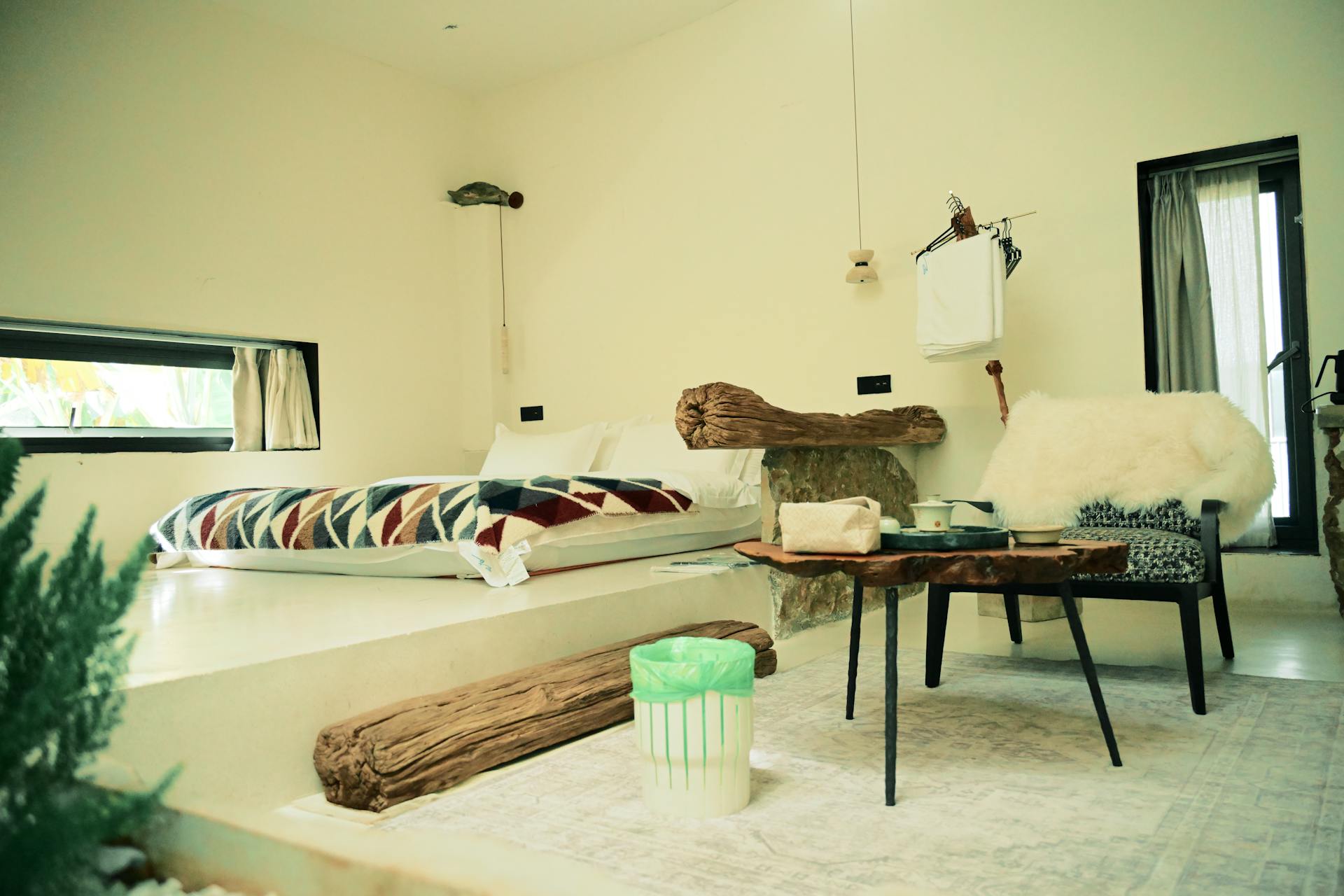
One of the most poetic forms of sustainability is giving old materials new life. Reclaimed wood carries history in its grain—warehouses, barns, and ship decks transformed into modern designs. Each imperfection becomes a testament to endurance, not decay. -
Fast-Growing Alternatives:
Bamboo and rattan are emerging as ecological champions. Unlike hardwoods that take decades to mature, bamboo regenerates within five years, requires minimal water, and absorbs more carbon dioxide than most trees. Its strength rivals steel, and its natural flexibility opens up design possibilities beyond the limits of traditional timber. -
Biomaterials and Mycelium:
Imagine furniture grown, not manufactured. Mycelium—the root structure of mushrooms—can form dense, durable composites that replace foam, leather, and plastics. Researchers are also exploring bioplastics derived from algae and agricultural waste. These innovations are not only biodegradable but actively regenerative, closing the loop between production and nature. -
Circular Metals and Fabrics:
Metals like aluminum and steel can be infinitely recycled with minimal degradation. Meanwhile, textile innovations such as plant-based leathers (from cactus, pineapple, or apple waste) are redefining upholstery. The tactile richness of these fabrics reminds us that sustainability need not come at the expense of luxury.
IV. Design for Disassembly: The Art of Reversibility
The future of furniture design lies not in permanence but in adaptability. Products must be designed with the end in mind—not as waste, but as a beginning for something else.
This concept, known as Design for Disassembly (DfD), treats furniture as a system of parts that can be easily separated, repaired, or reused. Instead of glued joints and synthetic adhesives, modular connectors allow components to be taken apart without damage.
The idea challenges our obsession with seamlessness. A visible screw or joinery point becomes a statement: this piece was designed to endure change. It celebrates transparency in both structure and ethics.
Moreover, DfD empowers consumers to repair rather than replace—reshaping the relationship between maker and user. It reintroduces a sense of agency and stewardship. A well-made chair should evolve with its owner, not expire at the first scratch.
V. The Digital Revolution: From Craftsmanship to Code
Technology, once seen as the antithesis of craftsmanship, is now its unlikely ally. Digital fabrication—from 3D printing to CNC milling—is enabling a new era of precision, customization, and efficiency.
By modeling every curve and joint digitally, manufacturers can minimize waste, optimize material use, and even localize production. Cloud-based design libraries allow customers to customize dimensions or features before a piece is made—reducing overproduction and storage costs.
Beyond the workshop, blockchain technology offers traceability in supply chains, ensuring that wood sources are verified, labor practices are ethical, and environmental standards are upheld. Transparency becomes not a marketing slogan, but a verifiable truth embedded in every transaction.
In this fusion of craft and computation, artisans become technologists and machines become instruments of artistry. Sustainability, in this context, is not about nostalgia—it’s about evolution.
VI. Energy, Ethics, and the Invisible Footprint
A truly sustainable furniture manufacturer cannot stop at materials. The energy footprint of production is equally critical.
Factories powered by renewable energy—solar, wind, or hydro—can drastically cut emissions. Water recycling systems, low-emission finishes, and non-toxic adhesives ensure safety for workers and consumers alike.
But sustainability also means fairness. Ethical manufacturing acknowledges the human cost of production—ensuring that every carpenter, weaver, and assembler is treated with dignity. Fair wages, safe conditions, and opportunities for skill growth are as vital as carbon neutrality.
In the end, sustainability is not merely environmental—it’s existential. It’s about preserving the integrity of every life touched by the object, from the forest to the living room.
VII. The Psychology of Possession: Shifting the Consumer Mindset
Manufacturers can innovate endlessly, but real transformation depends on people—on what we value, and how we define ownership.
The furniture industry is beginning to explore circular consumption models, where customers rent, lease, or return products for refurbishment. This echoes the logic of nature: nothing truly disappears; everything transforms.
Brands like IKEA, once symbols of disposable culture, are experimenting with repair services and buy-back programs. The shift reflects a deeper awakening—furniture as an evolving companion rather than a disposable convenience.
Consumers, too, are learning to ask better questions:
-
Who made this?
-
From what?
-
Can I repair it?
-
What happens when I no longer need it?
These questions are not trends—they are the foundations of a new culture of awareness.
VIII. The Emotional Dimension of Sustainability
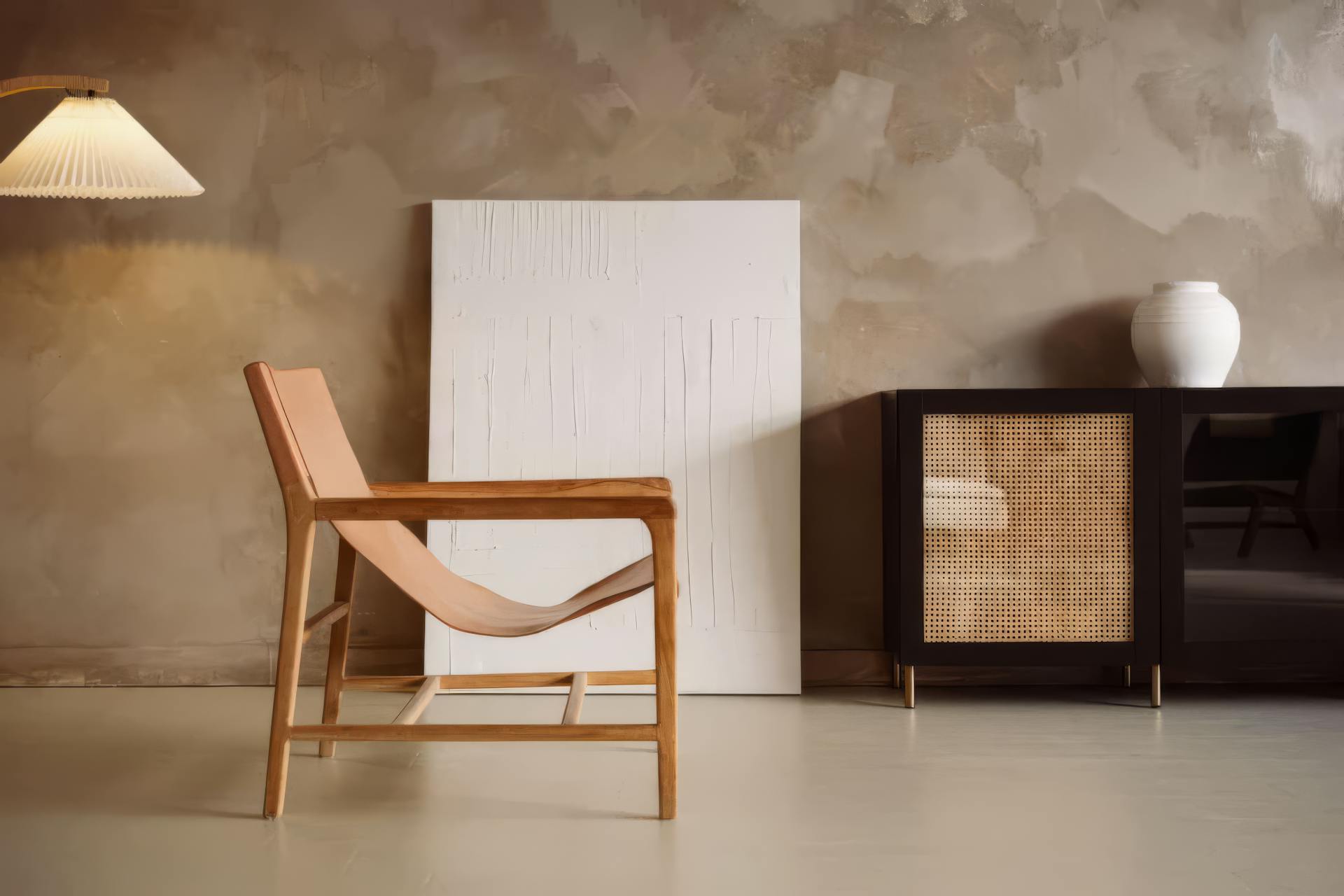
There’s something profoundly human about the relationship we form with the objects around us. A handmade chair, a solid desk, a reclaimed wood shelf—each carries a soul, a sense of time and place.
Sustainable furniture invites intimacy. It asks us to slow down, to appreciate textures, to recognize the lineage of materials and hands that shaped them. It transforms consumption into connection.
In this sense, sustainability is not a technical goal—it’s an emotional one. It’s about rekindling respect for the physical world and the invisible labor behind it. When we understand the journey of an object, we treat it differently. We care for it, we mend it, and in doing so, we participate in a cycle larger than ourselves.
IX. The Small Makers Leading the Way
While large corporations often dominate headlines, many of the most meaningful innovations come from small workshops and independent makers.
These artisans embrace local sourcing, traditional joinery, and natural finishes—bridging ancient wisdom with modern sensibilities. They operate not on scale, but on principle, proving that sustainability can thrive outside industrial frameworks.
Community-driven initiatives—cooperative mills, shared workshops, and urban lumber projects—are transforming cities into circular ecosystems. Fallen trees become benches, demolished buildings become new homes. Each act of reuse becomes a quiet rebellion against waste.
Such movements remind us that sustainability is not just about technology; it’s about values, relationships, and local resilience.
X. Toward a Regenerative Future
The next frontier of sustainable manufacturing is regeneration—systems that not only reduce harm but actively restore the planet.
This means using furniture production to sequester carbon, to support reforestation, and to revitalize communities. It means factories that double as research centers for ecological innovation, and designers who collaborate with biologists rather than merely suppliers.
In a regenerative model, every object contributes to healing. The chair you sit on could embody carbon captured from the atmosphere. The table you dine at could fund tree planting in degraded landscapes. Beauty and ethics intertwine.
This vision transforms the industry from extractive to symbiotic—from merely sustainable to life-giving.
XI. The Moral of Making
Ultimately, the future of sustainable furniture manufacturing is not about furniture at all—it’s about responsibility, humility, and imagination.
To craft sustainably is to acknowledge that every design decision has a consequence that ripples through ecosystems and generations. It’s to understand that design is not separate from ethics—it is ethics, materialized.
We are at a crossroads where artistry, technology, and conscience meet. The furniture of tomorrow will not only serve the body but speak to the soul—a quiet testament that beauty and sustainability are not opposites but reflections of the same truth: that what is well-made must also be well-meant.
XII. A Closing Reflection: The Hands That Shape the Future
When a craftsman runs his fingers along a newly sanded edge, there’s a moment of communion—a silent recognition that creation is both privilege and duty.
Sustainable furniture manufacturing is not just an industry revolution; it’s a cultural renaissance. It invites us to rediscover reverence—for materials, for people, for the world that gives us both.
The furniture of the future will not shout. It will whisper. It will tell stories of forests reborn, of artisans respected, of homes filled with warmth rather than toxins. It will remind us that the measure of progress is not speed or profit, but continuity—the ability to build without breaking, to design without destroying.
And in that quiet understanding lies the true legacy of sustainable making: not just the preservation of nature, but the preservation of meaning.