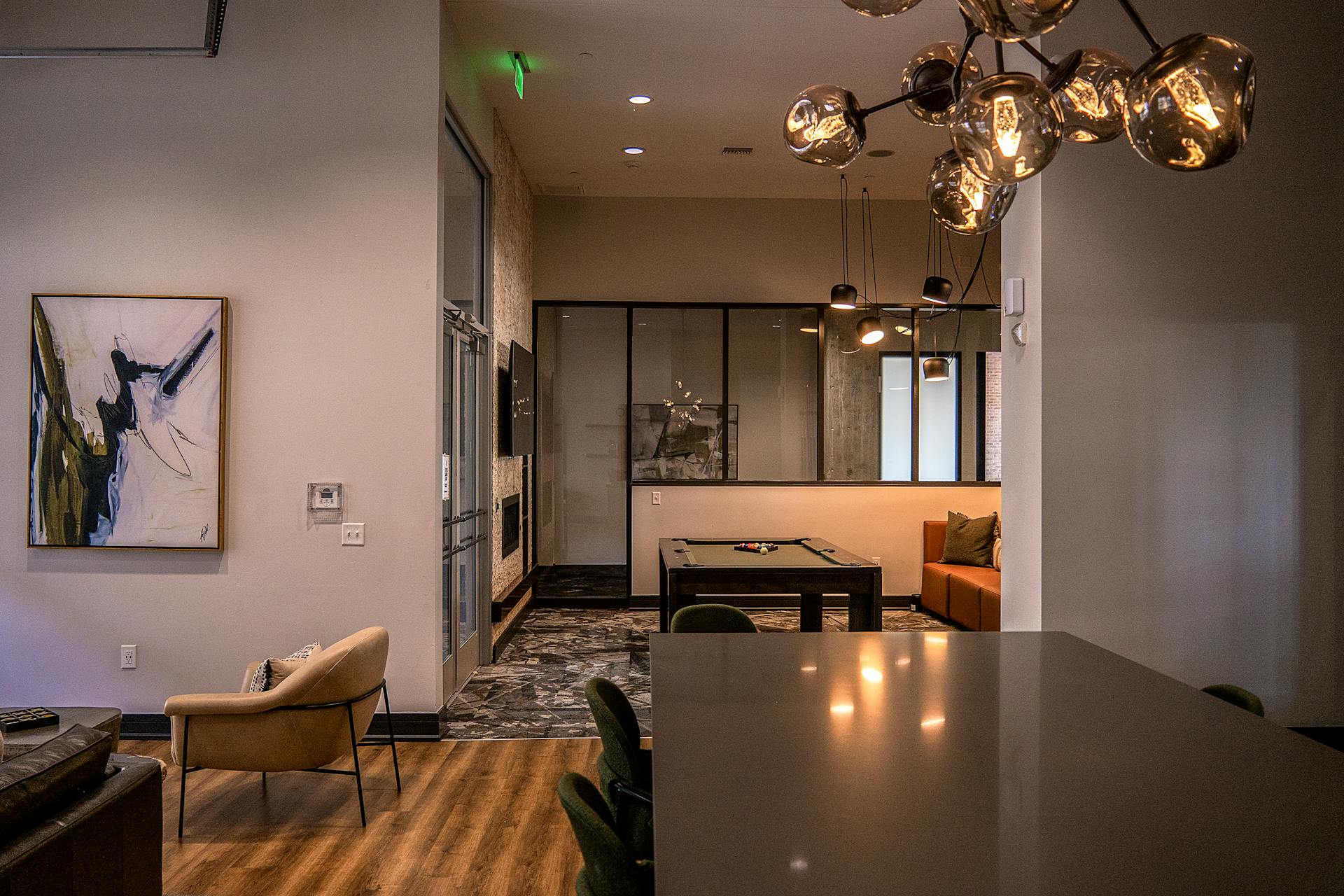
Furniture is everywhere—our homes, offices, schools, and public spaces. Yet, despite its ubiquity, few of us consider the intricate choreography behind each chair, table, or cabinet. The world of furniture manufacturing is a symphony of human ingenuity, mechanical precision, and artistic sensibility. Behind the finished pieces that fill our lives lies a complex ecosystem of materials, craftsmanship, and processes, each demanding meticulous attention. To understand how a furniture manufacturer works is to glimpse the intersection of creativity and industry, a space where imagination meets rigorous execution.
The Beginning: Designing the Vision
Every piece of furniture starts as an idea—a vision that balances form, function, and aesthetic appeal. Designers operate at the crossroads of art and utility. They consider the ergonomics of a chair, the structural integrity of a table, and the subtle elegance of a cabinet. Sketchbooks, digital modeling software, and prototyping tools form the primary instruments of this creative phase.
Modern furniture design often begins with computer-aided design (CAD) software. These programs allow designers to simulate dimensions, test the physics of materials, and refine ergonomics before a single plank of wood is touched. The digital design phase is more than efficiency; it is a sandbox for innovation, enabling designers to experiment with shapes and textures that might otherwise be impossible.
Yet, even in this age of technology, human intuition remains irreplaceable. A designer’s sense of proportion, their understanding of tactile experience, and their appreciation for subtle details like the curve of a chair’s backrest or the taper of a table leg ensure that the design resonates emotionally, not just functionally.
Materials: The Heart of Craftsmanship
Furniture is only as good as its materials. A manufacturer’s selection process is rigorous. Hardwood like oak, walnut, and maple is prized for durability and beauty, while softwoods like pine offer flexibility and affordability. Metals—steel, aluminum, brass—lend strength and sleek modernity, while textiles and leathers provide the finishing touch of comfort and style.
Sourcing these materials is both an art and a science. Sustainable practices are increasingly paramount; responsible manufacturers ensure that wood comes from certified forests and that metals are recycled whenever possible. Every raw material arrives with a story, and understanding its properties is essential. Wood, for instance, is a living material—it expands, contracts, and reacts to environmental changes. Each grain, knot, and imperfection influences the way a piece of furniture will be shaped and finished.
Once materials arrive, they undergo a meticulous inspection. Wood is checked for moisture content, structural flaws, and consistency in grain. Metals are tested for tensile strength and malleability. Fabrics are examined for durability, colorfastness, and texture. This attention to detail at the raw material stage ensures that the final product is not just functional but enduring.
The Workshop: Precision in Motion
The heart of a furniture manufacturer is the workshop—a place that hums with machinery, echoes with saws, and vibrates with the rhythm of skilled labor. Here, raw materials transform into components: tabletops, chair legs, drawer fronts, and more.
Cutting is one of the first steps. CNC (Computer Numerical Control) machines have revolutionized this phase, allowing for precise, repeatable cuts that maintain tolerances often impossible to achieve by hand. These machines can carve intricate patterns, drill complex joinery, and even replicate hand-carved aesthetics with stunning accuracy.
Yet, machinery alone does not make furniture. Human skill guides every movement, from aligning a cut to sanding a joint to perfection. Craftspeople oversee machines, calibrate tolerances, and correct minor flaws that no machine can anticipate. Their expertise ensures that the structural integrity and aesthetic quality of each component meet the highest standards.
Joinery is another critical process. Furniture relies on a series of connections—dovetail joints, mortise and tenon, dowels—that bind components into a coherent whole. Proper joinery requires understanding how materials behave over time. A poorly fitted joint can weaken a chair or table, while a well-crafted connection can last decades, even centuries.
Sanding, shaping, and smoothing follow next. These processes are deceptively simple in appearance. Each surface must be carefully prepared to receive finishes, ensuring that textures are even, edges are crisp, and imperfections are minimized. It is in this stage that the tactile essence of furniture begins to emerge—the pleasing feel of a polished table edge, the gentle curve of a chair armrest.
Finishing: Bringing Character to Life
Finishing is where the furniture truly gains personality. A coat of stain can highlight the depth of a wood grain; a varnish can provide durability without sacrificing beauty. Modern finishes range from traditional oil and wax to polyurethane and powder coating, each offering unique aesthetic and functional benefits.
Application requires skill. Too much finish can obscure the natural character of the material, while too little leaves it vulnerable to wear. Multiple layers are often applied, with careful sanding between coats to achieve a uniform surface. The choice of finish is not arbitrary—it reflects the intended use of the furniture, the desired aesthetic, and even the cultural context of the piece.
Textiles and upholstery add a final dimension. Fabrics are stretched over padding, stitched, and tacked with precision. Leather must be cut and treated to retain suppleness and strength. Every seam, every fold, and every stitch contributes to the furniture’s comfort and visual harmony.
Assembly: The Moment of Unity
Assembly is the culmination of countless hours of planning, cutting, shaping, and finishing. It is where components come together to form a coherent, functional object. Here, the importance of alignment and balance cannot be overstated. A misaligned leg or an uneven tabletop can compromise not only aesthetics but usability.
Workers carefully follow assembly protocols, often combining manual skill with mechanical aids such as clamps, presses, and pneumatic tools. The goal is precision without sacrificing the integrity of the materials. Every joint is checked, every surface inspected, and every moving part tested. At this stage, furniture begins to fulfill its promise—something designed, crafted, and finished now exists as a tangible object ready to serve human needs.
Quality Control: Guardians of Excellence
Even after assembly, the process is not complete. Quality control is the final gatekeeper, ensuring that every piece meets rigorous standards. Inspectors evaluate structural integrity, finish consistency, and aesthetic harmony. They test durability, weight-bearing capacity, and resistance to environmental stress.
This step is essential. Furniture is not merely decorative; it supports human activity. A chair must hold a body, a table must withstand weight, a drawer must glide smoothly. Quality control guarantees that each piece is safe, functional, and worthy of its intended environment.
Moreover, it reflects a deeper philosophy: respect for the end user. Each piece of furniture carries the manufacturer’s promise that it has been crafted with care, with knowledge, and with integrity.
Logistics and Delivery: Bridging the Gap
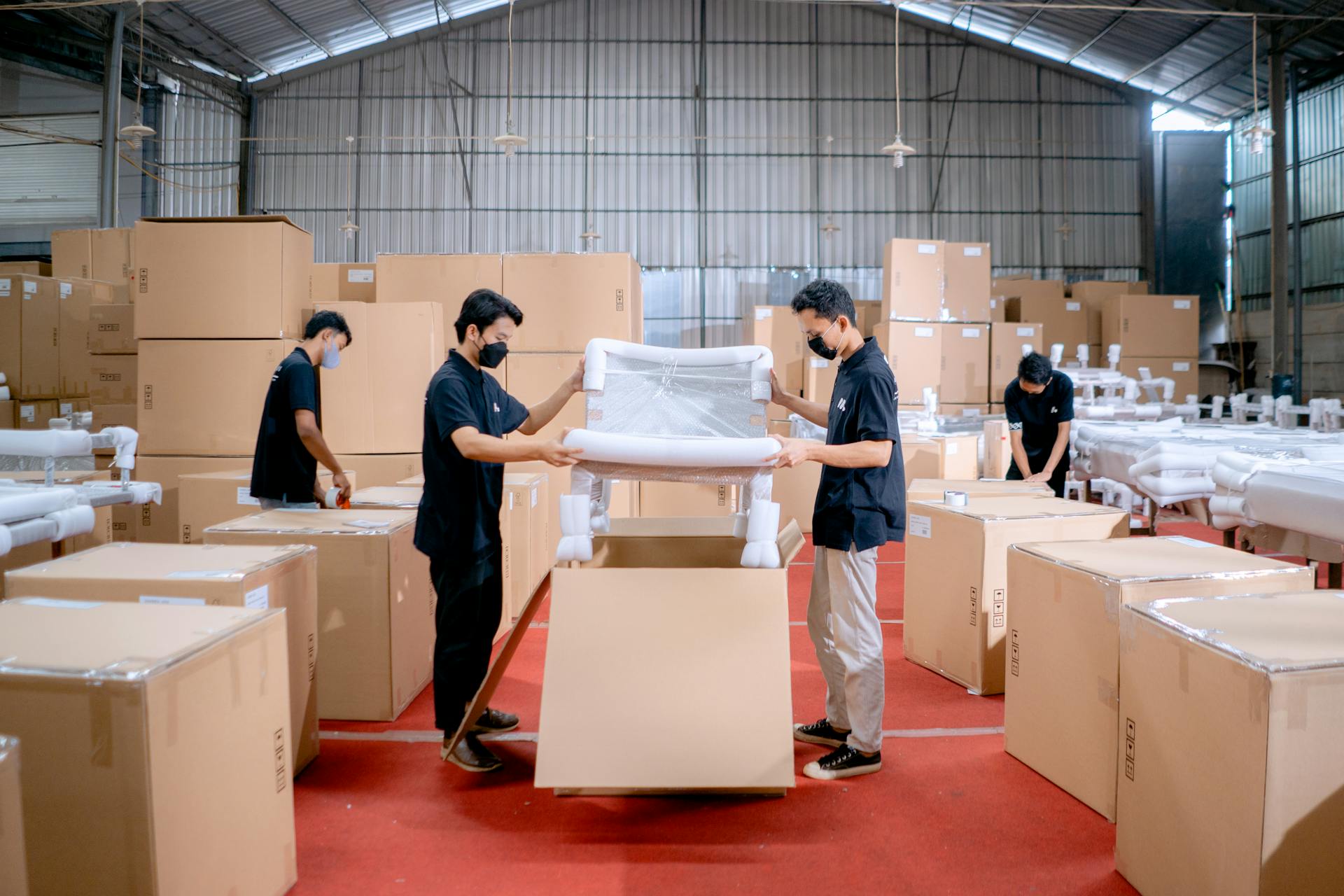
Once a piece passes quality control, it begins its journey to the customer. Packaging is designed to protect delicate finishes, corners, and joints during transportation. Even the act of shipping is an extension of craftsmanship; improper handling can undo months of meticulous work.
Some manufacturers ship flat-pack furniture, requiring customers to assemble components at home. Others deliver fully assembled pieces. In each case, the goal is to ensure that the furniture arrives in the condition intended—ready to fulfill its purpose, whether it’s providing comfort, utility, or beauty.
The Human Element: Crafting Beyond Machines
While machinery and technology dominate modern furniture manufacturing, the human element remains indispensable. Craftspeople infuse personality, intuition, and care into every step. They respond to imperfections that machines cannot detect, make aesthetic judgments that software cannot replicate, and imbue each piece with a subtle touch of artistry.
Furniture, at its best, is a dialogue between human skill and material potential. It is a testament to patience, precision, and creativity. Each chair, table, or cabinet reflects not only the properties of wood, metal, or fabric but also the experience, judgment, and dedication of the people who made it.
Sustainability: Responsibility in Manufacturing
Increasingly, furniture manufacturers are embracing sustainability. From responsibly sourced timber to energy-efficient production methods, these efforts reflect an ethical understanding that furniture manufacturing is not isolated from the broader environment.
Waste reduction is paramount. Offcuts are repurposed, sawdust is used for energy or composite materials, and defective pieces are recycled whenever possible. Water-based finishes reduce chemical emissions, and modern factories implement systems to minimize environmental impact. Sustainability is no longer optional; it is an integral part of craftsmanship, ensuring that furniture can exist in harmony with the world it inhabits.
Conclusion: More Than Wood and Metal
Walking through a furniture factory reveals a hidden world of precision, patience, and artistry. From raw materials to finished products, each stage reflects a careful balance of technology and human skill. Furniture manufacturing is not merely about producing objects; it is about crafting experiences, supporting human life, and creating beauty in everyday spaces.
Every table, chair, or cabinet carries the imprint of countless decisions—choices about design, materials, joinery, finishes, and assembly. These choices reflect not just functional necessity but human care, aesthetic sensibility, and ethical responsibility. To understand how a furniture manufacturer works is to appreciate a labor that combines science, art, and empathy—a labor that transforms humble materials into objects that shape our lives, one room at a time.