When we think of furnishing a business space—an office, a café, a boutique, or a studio—the first thoughts often circle around style, comfort, or budget. But in this age of environmental reckoning, a new dimension quietly demands its place at the table: sustainability.
Sustainable furniture is not just a trend or an eco-label you slap onto marketing material. It’s a philosophy of responsibility—one that redefines how we design, produce, and occupy our spaces. Choosing sustainable furniture for your business means understanding the invisible life of objects: where they come from, how they’re made, and what impact they leave behind. It’s about turning your space into a living statement of values—of care, respect, and foresight.
This guide delves into the art and science of choosing sustainable furniture, exploring what truly makes furniture “green,” how to evaluate materials and certifications, and how to align your choices with the deeper identity of your business.
1. Understanding What Sustainability Really Means in Furniture
Before selecting furniture labeled as “eco-friendly,” we must strip the term of its buzzword fatigue. Sustainability, at its core, means enduring balance: meeting our present needs without sabotaging the planet’s ability to provide for the future.
In furniture, this balance involves three intertwined dimensions:
-
Environmental Sustainability: Minimizing harm to ecosystems through responsible sourcing, efficient manufacturing, and waste reduction.
-
Social Sustainability: Ensuring ethical labor practices, safe working conditions, and community development in the production process.
-
Economic Sustainability: Building products that last—offering long-term value, repairability, and reuse instead of planned obsolescence.
When these three pillars converge, furniture stops being a disposable commodity and becomes a vessel of integrity.
2. The Lifecycle Approach: Seeing Beyond the Showroom
Every piece of furniture has a lifecycle: a journey from raw material to landfill—or, ideally, to renewal. Understanding this cycle allows you to make informed choices that minimize environmental footprint.
-
Raw Materials: Where did the wood, metal, or fabric come from? Was it extracted responsibly? Certified sustainable wood (like FSC-certified timber) and recycled metals are good indicators of mindful sourcing.
-
Production: Were toxic chemicals used in finishing, glues, or dyes? Low-VOC finishes and water-based adhesives make a world of difference for indoor air quality.
-
Transportation: Local manufacturing reduces emissions associated with shipping. Buying from regional artisans or domestic suppliers can be an act of sustainability in itself.
-
Use Phase: How long will the furniture last? Can it be repaired or reupholstered? Durability and modular design prevent unnecessary waste.
-
End of Life: Is it recyclable, biodegradable, or easily disassembled for parts reuse? The afterlife of furniture often defines its true sustainability.
A responsible business doesn’t just purchase furniture—it adopts it with foresight, considering what happens at every stage of its existence.

3. Material Matters: Choosing the Right Building Blocks
The materials you choose are the heartbeat of sustainability. Some materials carry deep scars from extraction and processing, while others carry stories of regeneration and renewal.
Wood: Regeneration over Exploitation
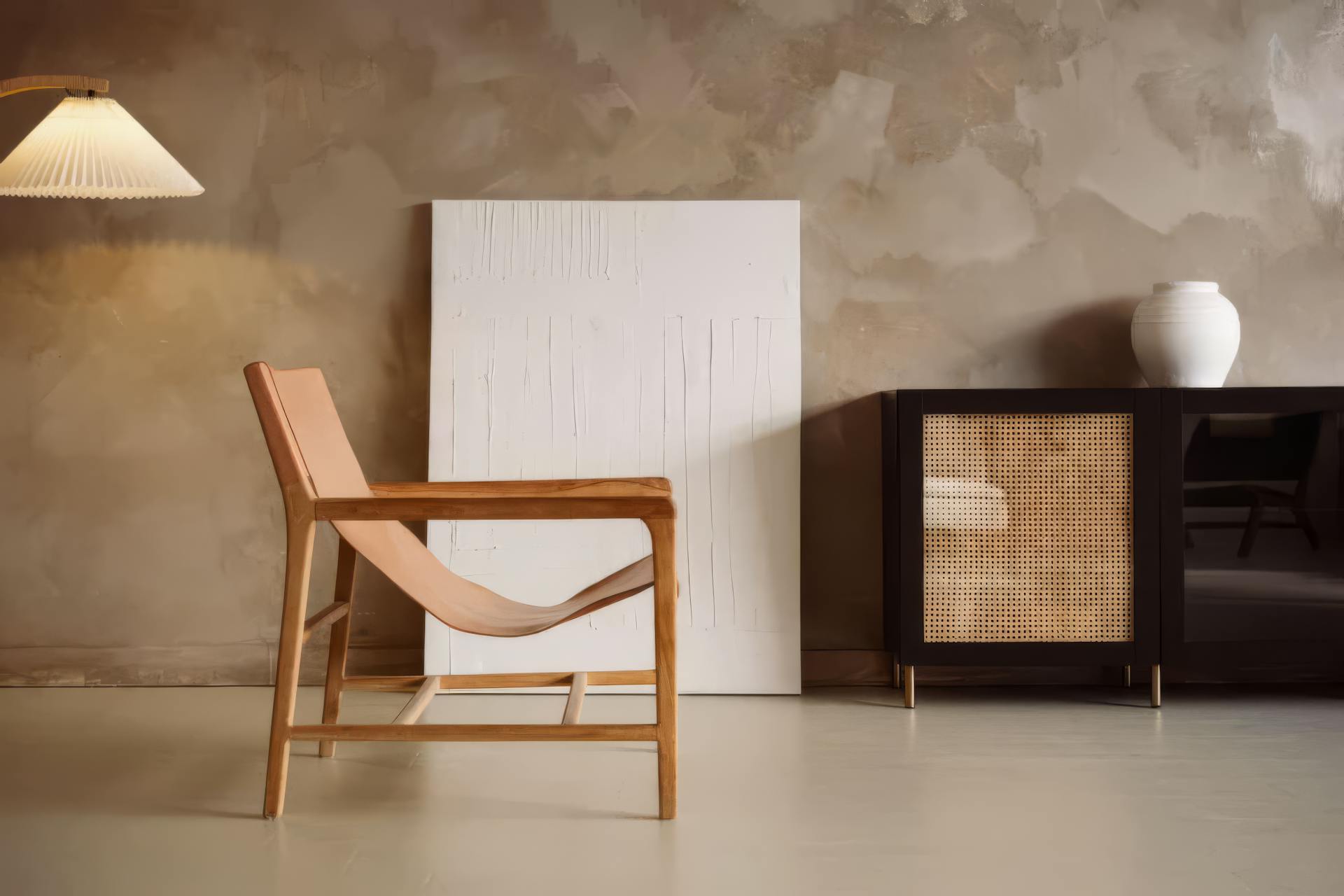
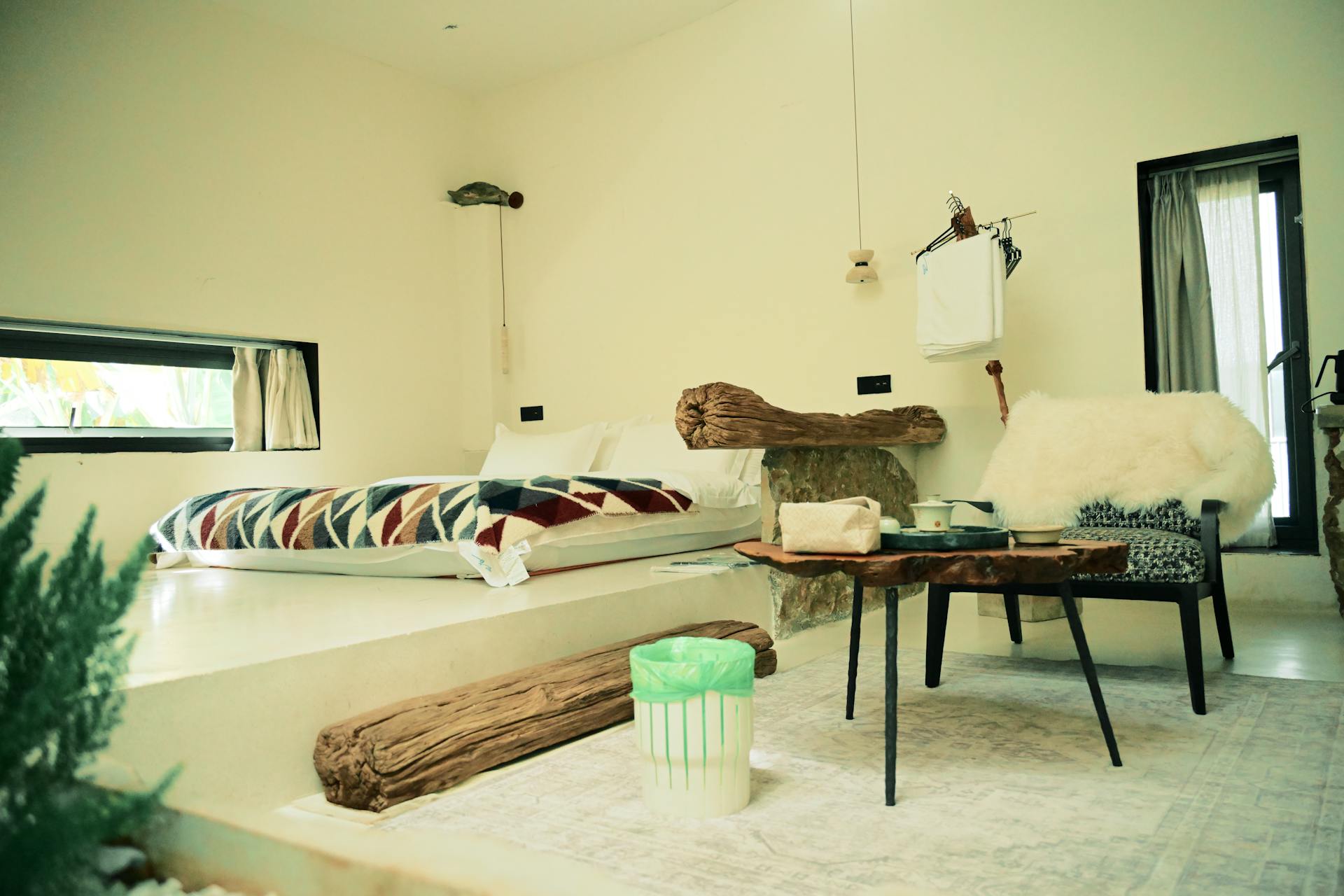
Wood is renewable, but only when managed wisely. Look for FSC (Forest Stewardship Council) or PEFC (Programme for the Endorsement of Forest Certification) labels. Reclaimed or salvaged wood is even better—it transforms discarded materials into something enduringly beautiful, often with unique character and history.
Metal: The Longevity Factor
Aluminum and steel, when recycled, consume only a fraction of the energy needed for virgin production. Opt for pieces using high recycled content, and ensure finishes are non-toxic and chrome-free.
Plastics: The Necessary Compromise
If plastic must be used, prefer recycled polypropylene or bioplastics derived from natural sources like corn starch or sugarcane. Avoid PVC, which carries heavy environmental and health impacts.
Textiles: Comfort with Conscience
For upholstery, look for organic cotton, hemp, wool, or fabrics made from recycled PET bottles. Avoid synthetic fibers treated with flame retardants or perfluorinated compounds (PFCs).
Sustainability in materials isn’t about perfection—it’s about informed compromise and conscious direction.
4. Certifications That Actually Mean Something
The sustainability market is crowded with greenwashing—vague claims with little accountability. To cut through the noise, rely on credible certifications and standards:
-
FSC / PEFC: Responsible forest management.
-
GREENGUARD or GREENGUARD Gold: Low chemical emissions for better indoor air quality.
-
Cradle to Cradle Certified™: Evaluates product safety, circularity, and manufacturing ethics.
-
BIFMA Level®: Comprehensive standard for sustainable office furniture.
-
OEKO-TEX® Standard 100: Ensures textiles are free from harmful substances.
These certifications act as the moral backbone of your purchasing decisions—proof that sustainability is not an afterthought but a verified practice.
5. The Art of Durability: Designing for Time
The greenest furniture is not necessarily the most “eco-labeled” one—it’s the one that lasts. Durability is sustainability disguised as practicality.
When choosing furniture, consider:
-
Construction Quality: Solid joinery, sturdy frames, and replaceable parts signal longevity.
-
Timeless Design: Avoid trendy, short-lived aesthetics. Classic lines and neutral palettes adapt better to changing tastes.
-
Repairability: Can parts be replaced? Can upholstery be re-covered? A repairable chair outlives a thousand cheap ones.
By choosing pieces designed to evolve rather than expire, your business silently rebels against the culture of disposability.
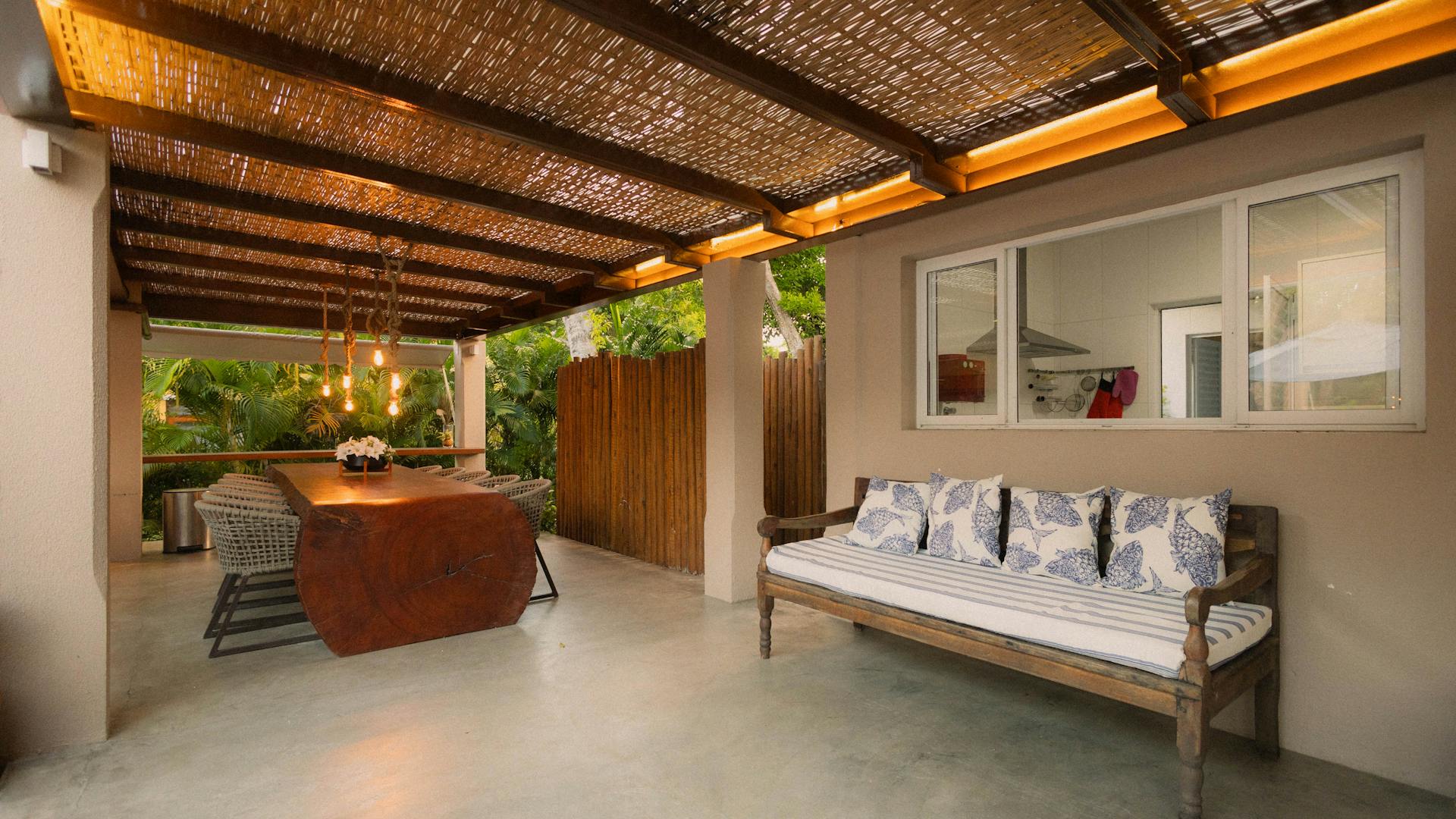
6. Local and Circular Economies: Supporting Change at Home
Buying local does more than cut down on emissions—it strengthens communities and fosters accountability. When you source furniture from local makers, you build a chain of transparency. You can trace materials, witness craftsmanship, and even customize according to your sustainability goals.
In parallel, the circular economy invites us to rethink ownership altogether. Instead of buying new, consider:
-
Refurbished or remanufactured furniture—reviving quality pieces with new life.
-
Furniture leasing programs, where products are returned, repaired, and reused.
-
Take-back initiatives, where manufacturers reclaim end-of-life items for recycling.
Sustainability thrives in circles, not lines.
7. Health and Well-Being: The Human Side of Sustainability
Sustainability is not only about saving trees—it’s about saving people. The furniture you choose directly impacts the well-being of everyone who interacts with it.
Low-VOC finishes, natural fibers, and ergonomic design promote better indoor air quality and physical comfort. A sustainably furnished workspace feels alive—it breathes, it calms, it nurtures creativity. Employees work better in environments that resonate with authenticity and care.
The emotional atmosphere of a space cannot be faked. When a room is built on principles of responsibility, people sense it. Clients notice. Teams thrive. Sustainability becomes not a corporate checkbox, but a living ethos.
8. Aligning Sustainability with Brand Identity
Your furniture tells your story. The materials, textures, and design language of your workspace communicate who you are as a brand. Choosing sustainable furniture is a chance to align your aesthetic with your moral compass.
-
A tech startup might showcase sleek recycled aluminum desks and minimalist reclaimed wood surfaces—symbolizing innovation rooted in conscience.
-
A wellness studio could favor organic textiles, bamboo shelving, and handwoven seating—embodying natural harmony.
-
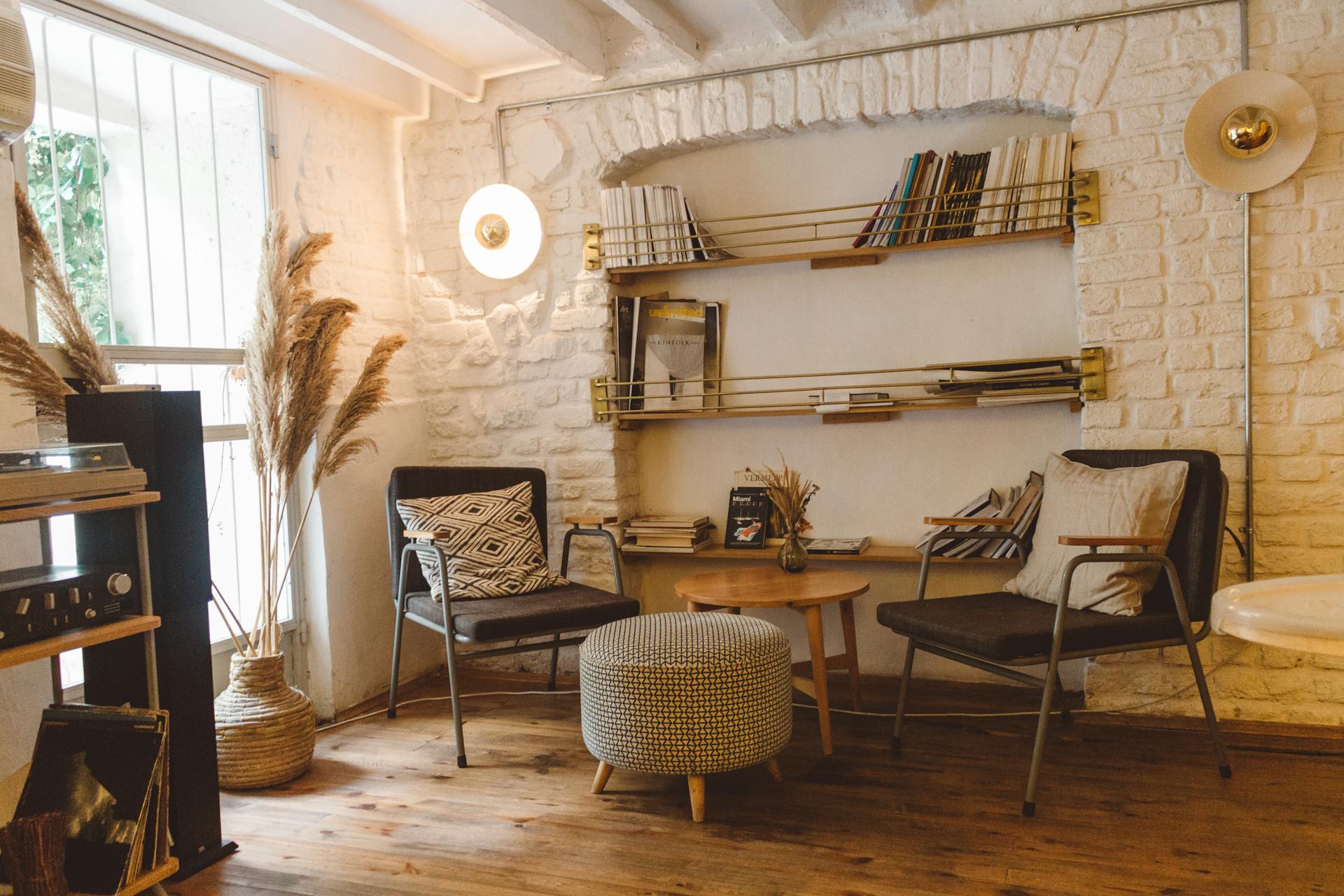
A café could use mismatched reclaimed chairs, turning imperfection into warmth and narrative charm.
Every sustainable choice becomes part of your brand’s emotional architecture. Customers may not always articulate it, but they feel it.
9. Budgeting Wisely: Long-Term Value Over Short-Term Cost
Sustainable furniture often carries a higher upfront cost—but it’s an investment, not an expense. Cheap, disposable furniture deteriorates quickly, leading to replacement costs, waste, and inconsistent aesthetics.
Think in terms of Total Cost of Ownership (TCO)—the sum of purchase, maintenance, and disposal costs over time. Sustainable pieces often outlast their cheaper counterparts by decades, saving money and resources in the long run.
Many manufacturers also offer warranties, repair services, and modular designs that adapt to changing needs. The financial wisdom of sustainability lies in foresight, not frugality.
10. Implementation: Turning Philosophy into Practice
Knowing what to buy is only half the journey. Implementing sustainable procurement requires structure and commitment.
-
Develop a Sustainability Policy: Formalize your standards for materials, certifications, and suppliers.
-
Audit Your Supply Chain: Request transparency from manufacturers about sourcing and production practices.
-
Engage Employees: Encourage input and awareness—turn sustainability into a shared culture, not a top-down directive.
-
Track Progress: Measure waste reduction, carbon footprint savings, and material reuse over time.
Transformation begins with small, consistent actions. Every sustainable desk, chair, or light fixture is a quiet declaration of integrity.
11. Emotional Sustainability: Spaces That Inspire
We rarely talk about the emotional dimension of sustainability, but it matters deeply. Furniture isn’t just wood and fabric—it shapes how people feel.
When a workspace is filled with thoughtfully chosen, ethically made furniture, it radiates calmness and meaning. Employees sense they are part of something larger than profit margins. Clients perceive sincerity. The atmosphere becomes less transactional, more human.
Sustainable design creates spaces that restore rather than deplete—places where creativity and compassion coexist. That is the ultimate legacy of mindful furnishing.
Conclusion: Building a Future Worth Sitting In
Choosing sustainable furniture for your business is more than a design decision—it’s a moral stance. It’s about transforming everyday choices into acts of stewardship. Each chair, each table, each texture can echo a message of responsibility, empathy, and endurance.
When your workspace breathes sustainability, it tells the world that you care—not only about aesthetics or comfort but about continuity. About the forests and workers and generations who come after.
Furniture, at its best, holds more than people. It holds values. And when your business chooses sustainability, it’s not just furnishing a space—it’s furnishing the future.