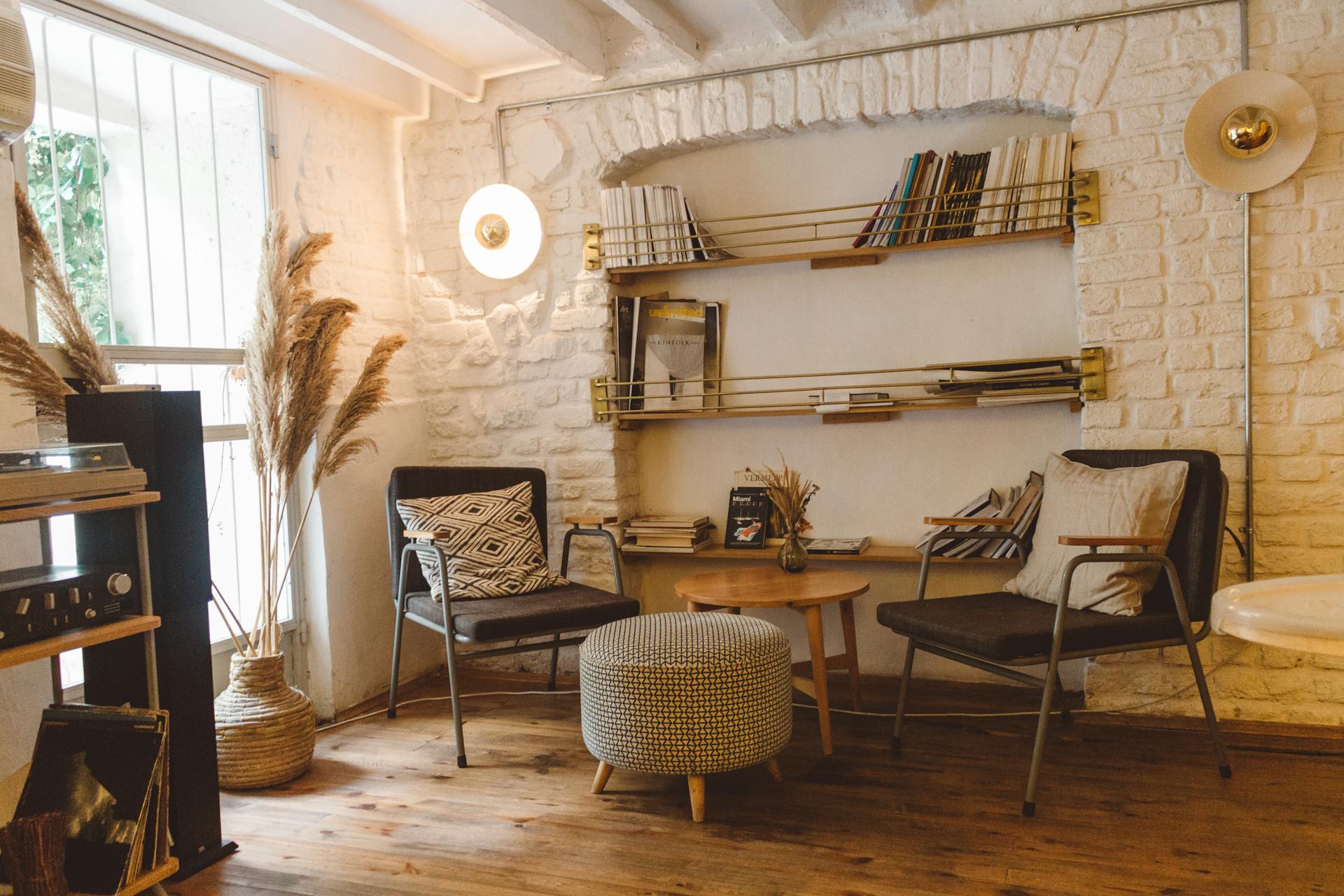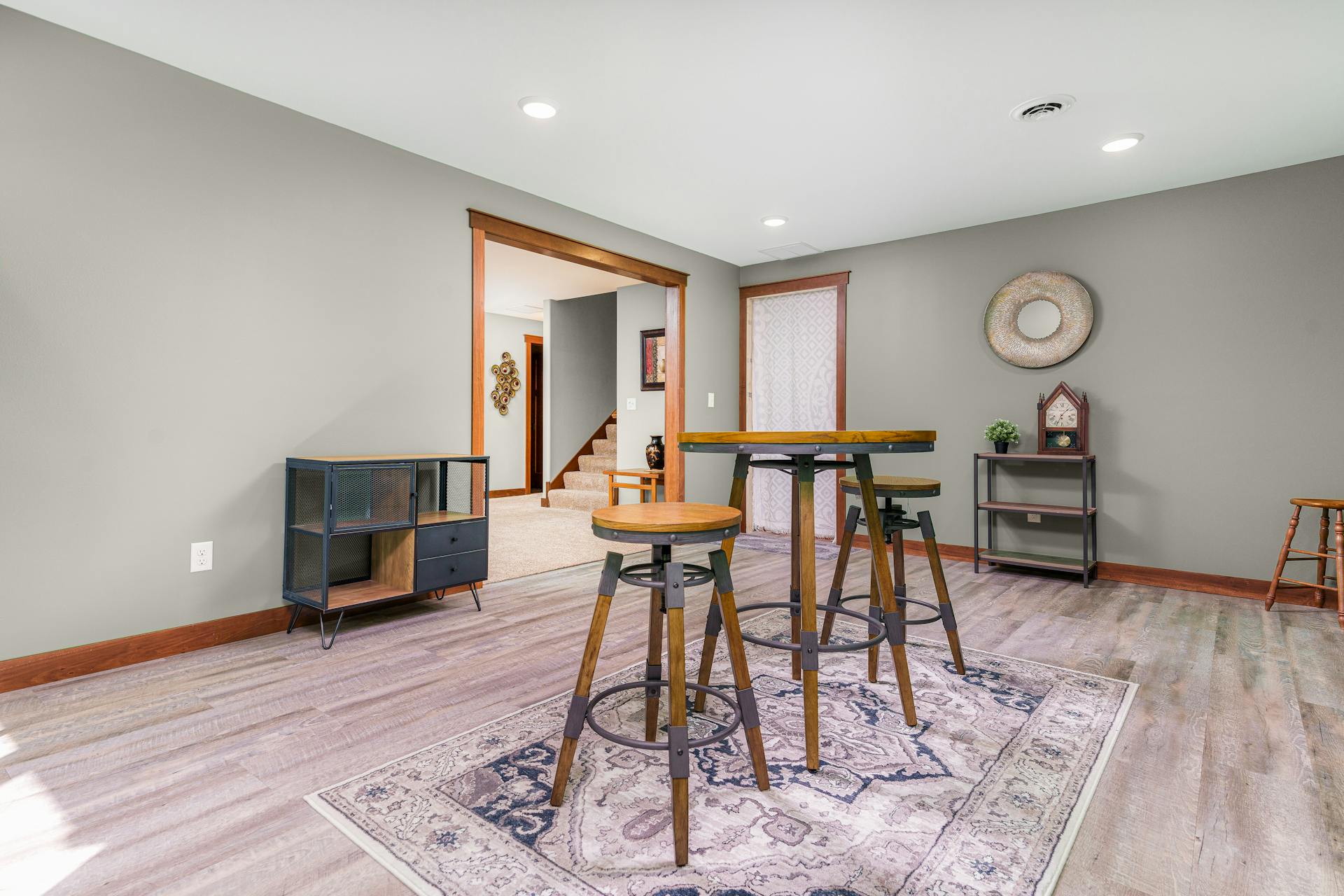

In the quiet hum of a modern furniture workshop, every piece of wood, every bolt of fabric, and every drop of varnish tells a story — not just of design and comfort, but of responsibility. Behind every table, chair, and sofa that adorns our homes lies an unspoken truth: furniture production can be both a creator of beauty and a source of immense waste. Yet today, manufacturers across the world are rewriting that story — transforming what was once wasteful into a model of sustainability, precision, and purpose.
This article dives deep into how manufacturers reduce waste in furniture production — not through slogans or surface-level “eco” claims, but through craftsmanship, innovation, and a profound respect for the materials that shape our living spaces.
1. Rethinking Design: The Foundation of Waste Reduction
The battle against waste begins long before the first plank of wood is cut. It begins with design philosophy.
Modern sustainable manufacturers now design with efficiency in mind. Rather than creating products and later managing the scraps, they start by asking: How can this piece be made with the least possible waste? This principle, known as Design for Manufacture and Assembly (DFMA), ensures that every part has a purpose.
For instance, modular furniture — such as shelves that can be reconfigured, or sofas with interchangeable components — drastically reduces waste because parts can be replaced or repaired instead of discarded. Designers also employ parametric modeling, using algorithms to test and optimize how materials can be cut to minimize leftover scraps.
The result? Designs that don’t just look good but live responsibly.
Waste reduction, at its core, is a design challenge — and every curve, joint, and jointing technique can be a quiet act of sustainability.
2. Precision Cutting and Digital Manufacturing: Turning Sawdust into Science
The traditional image of furniture production — sawdust flying, offcuts piling up — belongs to another era. In its place, the rise of digital fabrication has revolutionized material efficiency.
Computer Numerical Control (CNC) machines can cut wood with astonishing accuracy, ensuring that every millimeter of a board is used purposefully. Laser cutting and automated nesting software arrange cutting patterns like a game of Tetris, minimizing leftover pieces. Some systems even track every scrap in real time, feeding data back to improve future efficiency.
This isn’t just about technology for technology’s sake. It’s about respecting material integrity. A century ago, craftspeople worked painstakingly to waste as little as possible because wood was precious. Today’s digital artisans carry that same ethos — guided not by hand tools but by precision algorithms that treat wood with the same reverence.
Even the waste that is produced doesn’t always go to the landfill. Sawdust becomes biomass fuel, wood pellets, or composite materials like MDF and particleboard. Waste is no longer an afterthought; it’s part of a circular design logic where nothing is truly wasted — only transformed.
3. Circular Material Flows: Giving Wood a Second Life
One of the most profound shifts in furniture manufacturing is the rise of circular economy principles — a philosophy that insists materials should never have a single, linear life.
Instead of sourcing new timber for every production run, many manufacturers are turning to reclaimed wood, recycled metals, and repurposed textiles. Old beams from demolished buildings become elegant dining tables; discarded pallets are reborn as rustic shelving; fabric remnants from fashion houses find new life as upholstery.
This isn’t nostalgia — it’s innovation. By building supply chains that treat old materials as valuable resources, manufacturers not only reduce waste but also reduce the pressure on forests and ecosystems.
Companies like IKEA, Herman Miller, and Vitra have become case studies in how circular material use can coexist with large-scale production. IKEA’s “circular hub” program, for instance, encourages customers to return used furniture for refurbishment or recycling. Herman Miller’s famous “Design for Environment” protocol ensures that every new product can be easily disassembled, repaired, and eventually recycled.
It’s a poetic idea: the table you dine at today could carry the memory of a barn beam or a discarded school desk — materials that continue their journey rather than end it.

4. Smart Material Sourcing: Sustainability at the Root
Waste reduction doesn’t start in the factory — it starts in the forest.
Ethical manufacturers now prioritize responsibly sourced wood, certified by organizations like the Forest Stewardship Council (FSC) or the Programme for the Endorsement of Forest Certification (PEFC). These certifications guarantee that the timber comes from forests managed with ecological and social responsibility — where trees are replanted, biodiversity is protected, and local communities are respected.
This responsible sourcing also reduces hidden waste — the environmental cost of deforestation, soil degradation, and biodiversity loss.
In addition to certified wood, manufacturers increasingly turn to fast-growing alternatives such as bamboo or rattan. These materials regenerate quickly, require fewer chemicals, and can often be harvested without killing the plant, turning nature itself into a sustainable partner.
The true artistry of furniture making, then, begins before a single cut is made — in the wisdom of choosing what not to take from the earth.
5. Lean Manufacturing and Process Optimization
Beyond materials and design, waste lurks in every step of the production process: inefficient workflows, idle machinery, or excessive energy use. Enter lean manufacturing, a philosophy born in Japan’s automotive industry but now a cornerstone of sustainable furniture production.
Lean thinking focuses on eliminating any process that doesn’t add value to the final product. Manufacturers map out their workflows — from raw material delivery to final packaging — identifying where time, motion, and energy are wasted.
For example:
-
Cutting stations are positioned closer to assembly lines to reduce transport waste.
-
Real-time data systems monitor machine efficiency to prevent overproduction.
-
Defective items are detected earlier through quality checkpoints, preventing wasted materials down the line.
It’s a symphony of efficiency, where every movement, every decision, every click of a machine serves a purpose.
And when done right, lean manufacturing doesn’t just cut costs — it cultivates mindfulness. It redefines the factory floor as a living ecosystem, where waste is not just minimized but understood.
6. Energy and Emissions: The Invisible Waste
While material scraps are visible, energy waste is often invisible but no less significant. Factories that rely on outdated machinery or inefficient lighting systems consume vast amounts of unnecessary power.
To combat this, sustainable manufacturers have turned toward renewable energy sources — solar panels on factory roofs, biomass boilers fueled by wood waste, and heat recovery systems that recycle excess warmth from industrial processes.
Smart sensors now regulate energy consumption in real time, adjusting lighting, heating, and machinery power based on usage. Some companies even measure their carbon footprint per furniture unit, turning abstract sustainability metrics into tangible goals.
Reducing energy waste isn’t just about saving money — it’s an act of stewardship. Each kilowatt conserved is a small step toward a world where craftsmanship and conscience are no longer separate ideals.
7. Reducing Packaging Waste
The sustainability story doesn’t end when the product leaves the factory. Packaging — often overlooked — is another major source of waste.
Forward-thinking manufacturers are replacing single-use plastics and foam with recyclable or biodegradable materials such as molded pulp, corrugated cardboard, or mushroom-based packaging. Modular flat-pack designs, made famous by IKEA, also reduce shipping volume and fuel consumption, allowing more products to be transported in fewer trips.
Some brands even embrace “zero-waste packaging”, using materials that can be repurposed by the consumer — for instance, wrapping furniture parts in reusable textile covers or cartons that can fold into storage boxes.
In this stage, sustainability becomes a dialogue between maker and user — a shared effort to honor the resources that brought the furniture into being.
8. Waste Tracking and Data Transparency
In the digital age, manufacturers no longer have to rely on intuition alone. Data-driven sustainability has become a powerful weapon against inefficiency.
Advanced tracking systems now monitor every material input, production step, and waste output. Software dashboards visualize where waste occurs most frequently, allowing for continuous improvement. Some companies publish sustainability reports detailing how much waste has been diverted from landfills, how much water has been saved, and how efficiently energy is being used.
Transparency, in this sense, becomes accountability. It turns sustainability from a marketing claim into measurable truth — a contract of trust between the brand, the planet, and the consumer.
9. Education and Workforce Empowerment
No amount of technology can replace human awareness. The success of waste reduction efforts depends deeply on training and culture.
Sustainable manufacturers invest in educating their workers — teaching them how to handle materials carefully, maintain machines properly, and think critically about efficiency. Teams are encouraged to suggest improvements; small insights from the workshop floor often lead to major breakthroughs in waste reduction.
This is more than just skill-building. It’s about nurturing a shared sense of purpose — transforming every worker into a guardian of sustainability. When people understand the why behind every process, waste ceases to be inevitable; it becomes unacceptable.
10. Beyond the Factory: The Future of Zero-Waste Furniture
The most forward-looking manufacturers are taking waste reduction beyond production — into the full life cycle of their products.
Imagine a chair that comes with a digital passport: a QR code that lists every material it contains, where it was sourced, and how it can be recycled at the end of its life. Imagine furniture made entirely from biodegradable composites, designed to return to the earth without harm. Imagine companies that don’t just sell furniture but offer take-back programs, refurbishing or reusing old pieces instead of letting them decay in landfills.
These are not fantasies — they’re emerging realities. The next frontier of waste reduction isn’t just in making less waste, but in creating systems where waste cannot exist at all.
Conclusion: From Wood to Wisdom
In the quiet artistry of furniture production, something profound is happening. The old paradigm — of endless extraction, careless disposal, and blind consumption — is giving way to a new one: one built on respect, intelligence, and renewal.
To reduce waste in furniture production is not merely to save materials. It is to restore meaning — to remember that every tree felled, every bolt forged, every fabric woven carries within it the time and labor of nature itself. Manufacturers who embrace this truth are not just making furniture; they are shaping a future where beauty and responsibility can finally sit at the same table.
The next time you rest your hand on a wooden surface, smooth and strong, consider this: that table might have been a beam, a branch, a scrap — once discarded, now reborn. It is proof that craftsmanship can be a form of healing — for the planet, for the maker, and for us all.