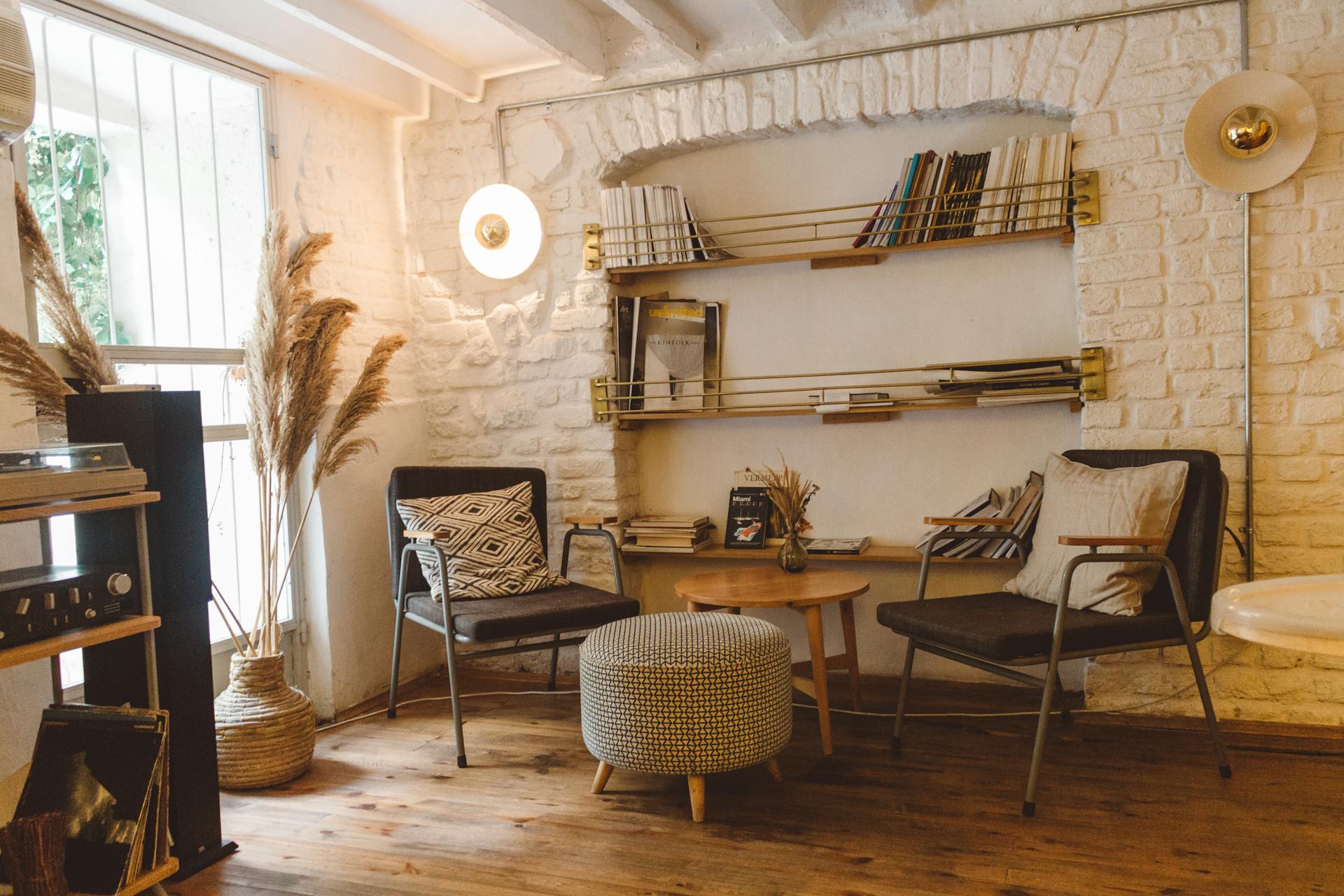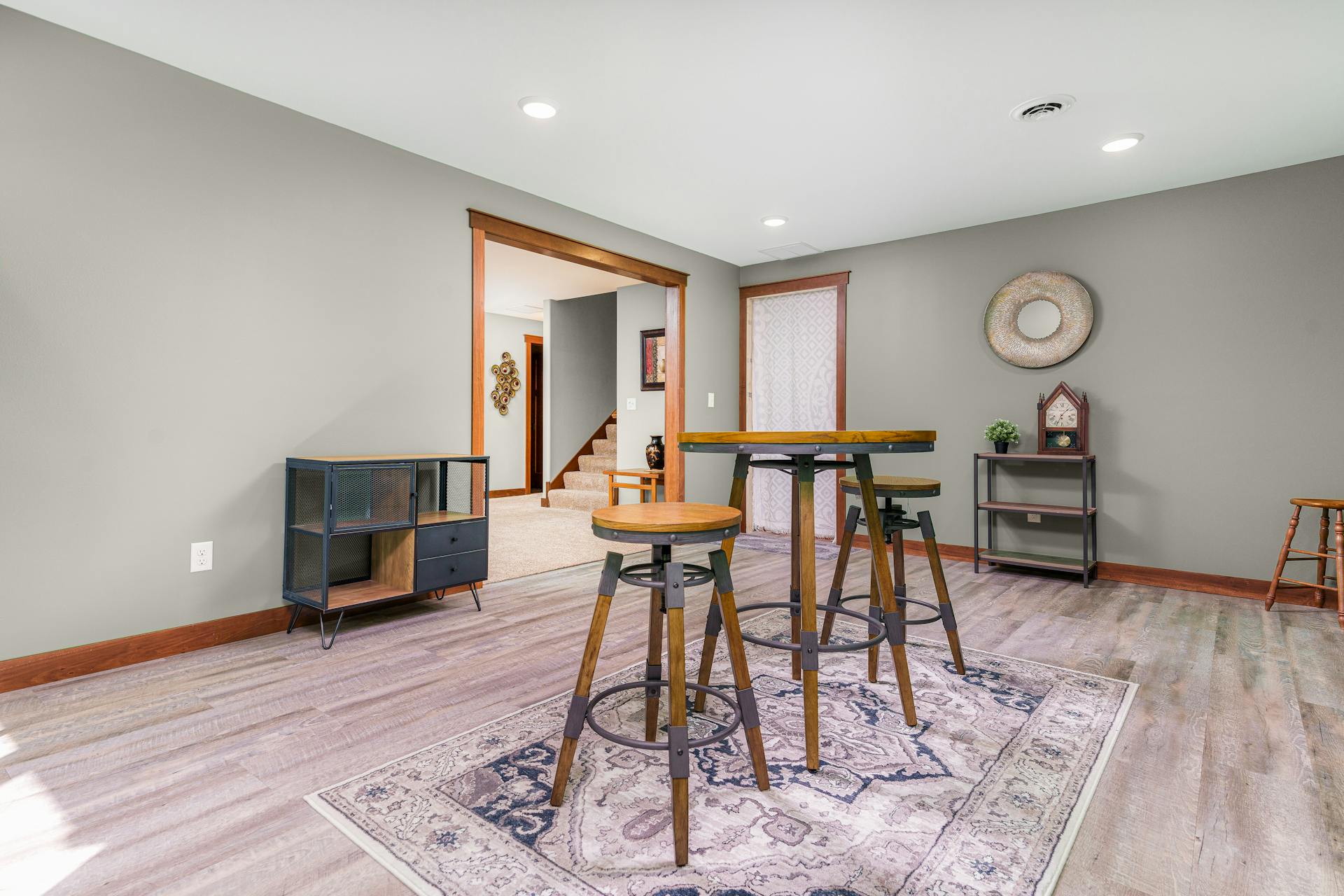

In the vast panorama of human innovation and industrial achievement, furniture occupies a unique space. It is both functional and aesthetic, bridging the gap between utilitarian necessity and the intimate expression of personal taste. Yet, for all its familiarity in our daily lives, the process that brings a chair, a table, or a cabinet into our homes has often been overlooked—and not always in flattering ways. Conventional furniture manufacturing has long been associated with environmental degradation: rampant deforestation, chemical-laden finishes, energy-intensive production, and mountains of waste. The contemporary world, however, is awakening to a transformative idea—sustainable furniture manufacturing—a philosophy that seeks harmony between human comfort, artistic expression, and the planet’s fragile ecosystems.
Sustainable furniture manufacturing is not merely a set of eco-friendly practices or a marketing buzzword. It is a holistic approach to designing, sourcing, producing, and distributing furniture in ways that minimize environmental harm, conserve natural resources, and enhance social responsibility. In essence, it is a marriage between ethics and craftsmanship, where every decision—from the choice of wood to the finish on a dining table—reflects a commitment to the greater good.
Understanding Sustainability in Manufacturing
To truly appreciate what makes furniture manufacturing sustainable, we must first explore the concept of sustainability itself. Sustainability, at its core, refers to the capacity to meet present needs without compromising the ability of future generations to meet theirs. Applied to manufacturing, this means producing goods in ways that do not irreversibly harm the environment, exhaust natural resources, or exploit human labor.
Traditional furniture manufacturing, especially in the mass-production era, has often failed this test. Tropical hardwoods are clear-cut faster than they can regenerate, synthetic finishes leach toxins into soil and waterways, and waste from defective or discarded furniture overwhelms landfills. The ecological footprint of a single mass-produced table can be staggering, when you consider the entire lifecycle from logging to disposal. Sustainable furniture manufacturing, by contrast, aims to redefine this lifecycle, creating products that are regenerative rather than depletive.
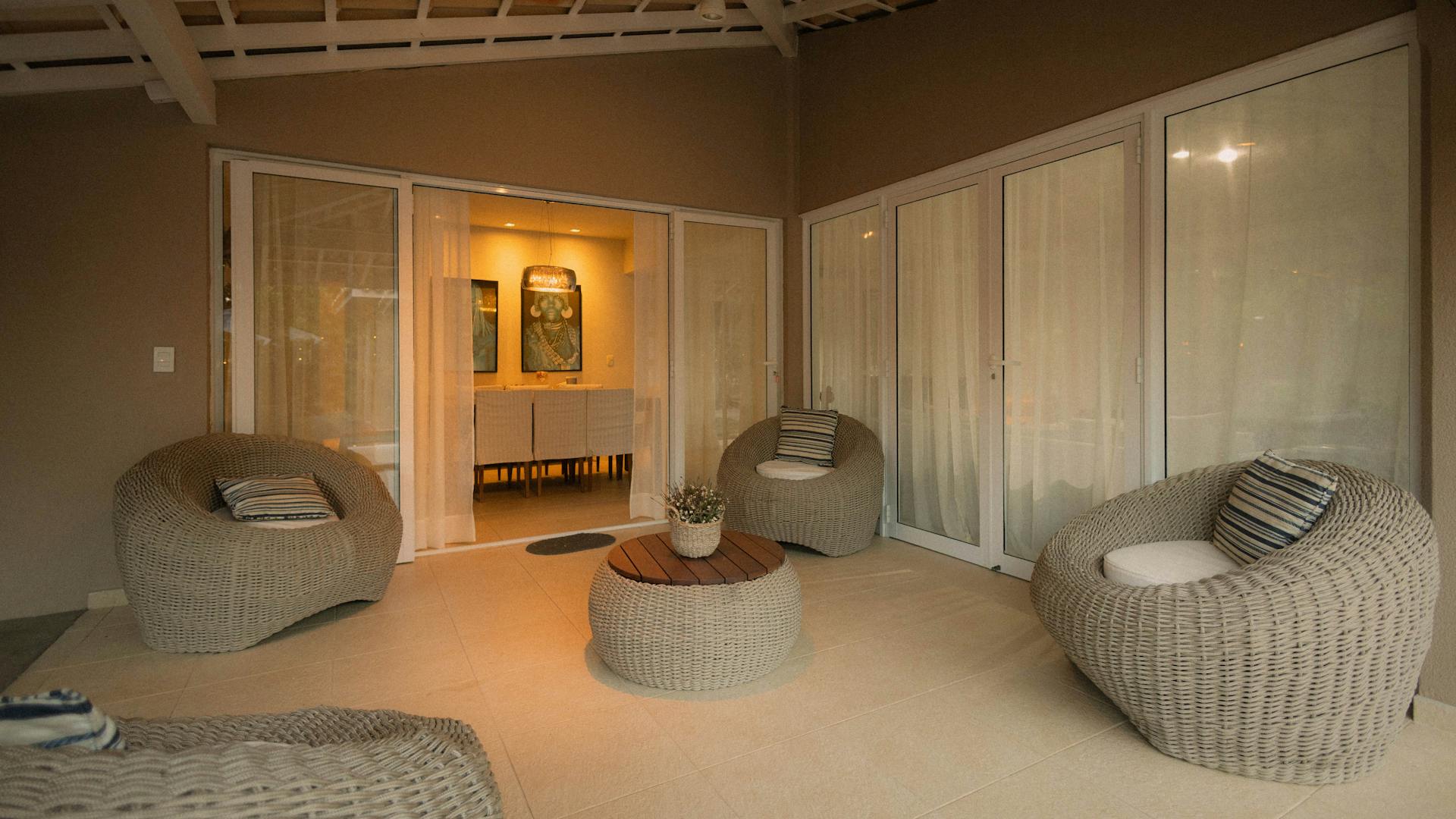
Materials Matter: Choosing the Right Resources
One of the most visible elements of sustainable furniture is the material used. Wood remains the quintessential furniture material, prized for its strength, beauty, and versatility. However, not all wood is created equal. Sustainable manufacturers prioritize certified wood, often labeled by organizations such as the Forest Stewardship Council (FSC), which ensures that the timber comes from responsibly managed forests. These forests are harvested in ways that allow for natural regeneration, protect biodiversity, and respect the rights of indigenous communities.
Beyond wood, innovative materials are gaining prominence in sustainable furniture. Bamboo, for example, is technically a grass, yet its tensile strength rivals that of steel. Its rapid growth—sometimes up to three feet per day—makes it a renewable resource capable of absorbing more carbon dioxide than traditional trees. Reclaimed wood, sourced from old buildings, barns, or shipping pallets, tells a story of resilience and renewal, giving a second life to materials that might otherwise rot in landfills.
Even non-wood materials are being reconsidered. Recycled metals, glass, and plastics can be transformed into high-quality furniture, reducing reliance on virgin resources. Natural fibers like organic cotton, hemp, and wool replace synthetic fabrics that shed microplastics into the environment. Each material choice is a deliberate ethical statement, signaling a commitment to ecological mindfulness at every stage of production.
Energy and Manufacturing Processes
Sustainable furniture manufacturing is not just about what the furniture is made of, but how it is made. Conventional factories often rely on fossil fuels for energy-intensive processes, from sawing and planing to sanding and finishing. Sustainable operations, by contrast, aim to reduce energy consumption and utilize renewable energy sources whenever possible. Solar panels, wind turbines, and biomass energy are becoming increasingly common in forward-thinking manufacturing facilities.
Waste reduction is another critical aspect. Traditional production generates offcuts, sawdust, defective pieces, and packaging waste, much of which ends up in landfills. Sustainable manufacturers implement zero-waste policies, recycling or repurposing scrap material. Sawdust can become particleboard, mulch, or even biomass fuel; offcuts can be crafted into smaller items or artistic components; and packaging is often biodegradable or recyclable. By treating waste not as a problem but as a resource, sustainable furniture manufacturing challenges the linear “take-make-dispose” model and moves toward a circular economy.
Finishes, Adhesives, and Chemical Stewardship
Furniture finishes—varnishes, paints, stains, and adhesives—play a vital role in both aesthetics and durability. Yet traditional finishes are often laden with volatile organic compounds (VOCs), formaldehyde, and other harmful chemicals that contaminate indoor air and pollute waterways. Sustainable furniture manufacturers are increasingly turning to water-based, low-VOC, and plant-derived finishes, which offer the same protective and decorative qualities without the toxic consequences.
Even adhesives are being reimagined. Modern formulations include natural resins, soy-based glues, and other non-toxic alternatives. The aim is to create furniture that is not only kind to the environment during production but also safe for the people who live with it. After all, sustainability is as much about human health as it is about ecological preservation.

Longevity and Design Philosophy
Sustainability in furniture is inseparable from the concept of durability and timeless design. A cheaply made chair may cost little upfront but will wear out quickly, contributing to a cycle of consumption and waste. Sustainable furniture, by contrast, is designed to last decades, sometimes becoming heirlooms passed down through generations. This philosophy extends beyond material strength to encompass aesthetic longevity—avoiding fleeting trends in favor of classic, adaptable designs that remain relevant over time.
Moreover, modular and multifunctional designs are emerging as solutions to modern living challenges. A single piece of furniture that can adapt to multiple purposes reduces the need for additional items, thereby conserving resources. A sofa that converts into a bed, or a shelving unit that can be reconfigured, exemplifies design intelligence married to environmental consciousness.
Social Responsibility in Sustainable Manufacturing
Sustainable furniture manufacturing is about more than environmental impact; it is inherently socially conscious. Ethical labor practices are a cornerstone. Many sustainable brands prioritize fair wages, safe working conditions, and community engagement. They often work with local artisans and craftsmen, preserving traditional skills while ensuring economic empowerment.
The social dimension also extends to transparency. Brands committed to sustainability provide full disclosure of supply chains, material sourcing, and production methods. This transparency empowers consumers to make informed decisions, bridging the gap between ethical ideals and purchasing behavior. In essence, sustainable furniture is a statement not just about the environment, but about a collective commitment to human dignity and fairness.
Economic Viability and the Future of Sustainable Furniture
Some critics argue that sustainable furniture is inherently expensive, and to some degree, this is true. High-quality, responsibly sourced materials, non-toxic finishes, and fair labor practices often come at a premium. Yet, this perspective misses the true cost of conventional furniture—hidden environmental damage, health risks, and the economic burden of waste management. When viewed through a long-term lens, sustainable furniture represents value rather than mere expense, offering durability, health benefits, and ecological stewardship.
Technological advances are making sustainability more accessible. Digital fabrication, precision cutting, and AI-driven design optimize material usage and minimize waste. Innovations in recycled composites and bio-based resins are reducing costs and broadening possibilities. As consumer awareness grows and demand rises, economies of scale will likely make sustainable furniture the norm rather than the exception.
Conclusion: A Philosophy, Not Just a Practice
Sustainable furniture manufacturing is more than a set of techniques—it is a philosophy, a moral and practical framework that reimagines the relationship between humans and their material world. It recognizes that furniture is not just functional, not just aesthetic, but a tangible manifestation of values: environmental stewardship, social justice, and mindful consumption.
To purchase or create sustainable furniture is to participate in a quiet revolution, one piece at a time. Each table, chair, or cabinet becomes a testament to the possibility of a world where craftsmanship, beauty, and ethics coexist. In a society often defined by disposable culture, sustainable furniture offers a counter-narrative—one of care, thoughtfulness, and enduring impact.
Ultimately, sustainable furniture manufacturing asks a simple yet profound question: Can we furnish our lives without imperiling the planet that sustains us? The answer, as demonstrated by a growing movement of visionary designers and conscientious manufacturers, is yes—but it requires intention, imagination, and the courage to rethink the ordinary in extraordinary ways.